Quick Easter Safety Facts for 2026
Easter 2026 falls on Sunday, April 5th. The most critical hazards for Kansas City pets are true lilies (lethal to cats), Xylitol (found in sugar-free candy), and plastic Easter grass (a major surgical risk). If you suspect your pet has ingested a toxin, contact your vet or the Overland Park Veterinary Emergency & Specialty at 913-361-3800 immediately.
Why Easter Pet Safety is Different
As spring blooms across the Kansas City metro, from the gardens of Prairie Village to the quiet streets of Leawood, pet parents are preparing for holiday celebrations. However, ensuring Easter pet safety is about more than just a watchful eye; it’s about understanding the hidden environmental triggers that can turn a peaceful morning into a medical emergency. Whether you are navigating the dangers of seasonal lilies or the stress of a busy household, prioritizing a Fear Free home environment is the first step in protecting your fur-babies during the festivities.
The “Lily” Alert: A 100% Avoidance Rule
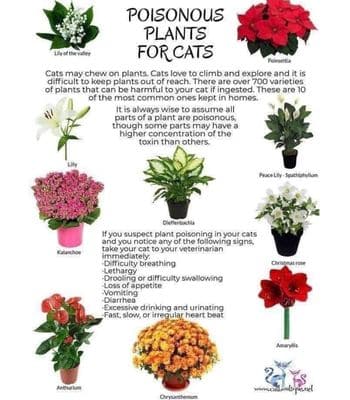
If you are a cat parent, the most important rule of Easter pet safety is this: Keep true lilies out of your home.
Which Lilies are Toxic to Cats?
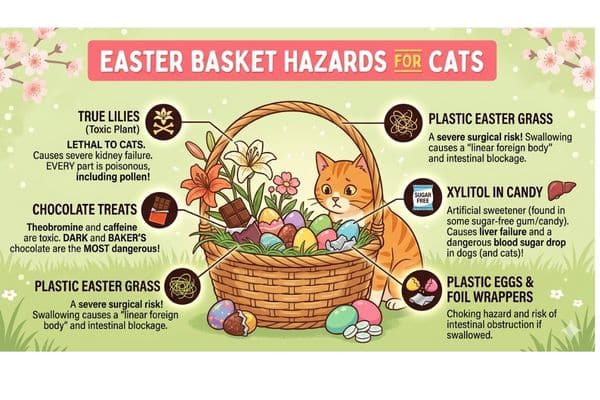
Highly Lethal: Easter Lilies, Tiger Lilies, Daylilies, and Asiatic Lilies. Even a small amount of pollen licked off fur or drinking the vase water can cause fatal kidney failure in cats within 24 to 72 hours.
Less Toxic (But Still Risky): Peace Lilies and Calla Lilies are not “true” lilies; they generally cause mouth irritation and drooling rather than organ failure, but they should still be avoided.
Fear Free Alternative: Gift or decorate with Orchids, Roses, or Gerbera Daisies. These are vibrant, pet-safe options that don’t carry a life-threatening risk.
The “Plastic Grass” Danger: A Linear Foreign Body
That shiny, green plastic grass in Easter baskets is a magnet for curious cats. Unfortunately, it is a leading cause of linear foreign body obstructions.
Because the plastic is slippery and indigestible, it can become anchored under the tongue or in the stomach while the rest of the strand tries to move through the intestines. This causes the intestines to “bunch up” (plication), which can saw through the intestinal wall. If a linear foreign body is ever found, what ever you do, DO NOT PULL!
- The Fix: Use shredded paper grass or real wheatgrass (cat grass) as a safe, digestible alternative.
Hidden Toxins in the Candy Basket
Easter is the #1 day for chocolate-related calls to the ASPCA Poison Control.
Chocolate: The darker and more bitter the chocolate (Baker’s and Dark), the more concentrated the theobromine and caffeine.
Xylitol (Birch Sugar): Often found in sugar-free jellybeans and gum, Xylitol causes a life-threatening drop in blood sugar and liver failure in dogs.
Foil Wrappers & Plastic Eggs: These can cause choking or sharp internal lacerations if chewed and swallowed.
Creating a Fear Free Sanctuary
Beyond the physical hazards, Easter brunches can be stressful. To keep your cat’s FAS (Fear, Anxiety, and Stress) levels low:
- Set up a “Safe Room”: Use a Feliway Optimum diffuser to signal safety.
- Mind the Doors: With guests arriving, ensure your “escape artists” are secure in a quiet area.
- Guest Guidelines: Remind visitors that fatty Easter ham and sides containing onions or garlic are strictly off-limits for fur-babies.
Protecting the Bond
Spring is a season of new beginnings, but for our fur-babies, it is also a time when they rely most on our protection. By making these small adjustments—swapping a lily for a rose or plastic grass for paper—you aren’t just preventing a crisis; you are honoring the silent trust they place in you every day.
As James Herriot once wrote, “Cats are connoisseurs of comfort.” Our goal is to ensure that comfort remains undisturbed, allowing you to focus on the joy of the season. Let’s keep this Easter about the head-scratches, the sunbeams, and the peace of mind that comes from a safe, happy home.